


There’s no silver bullet response to all the issues we are facing #WAVEII
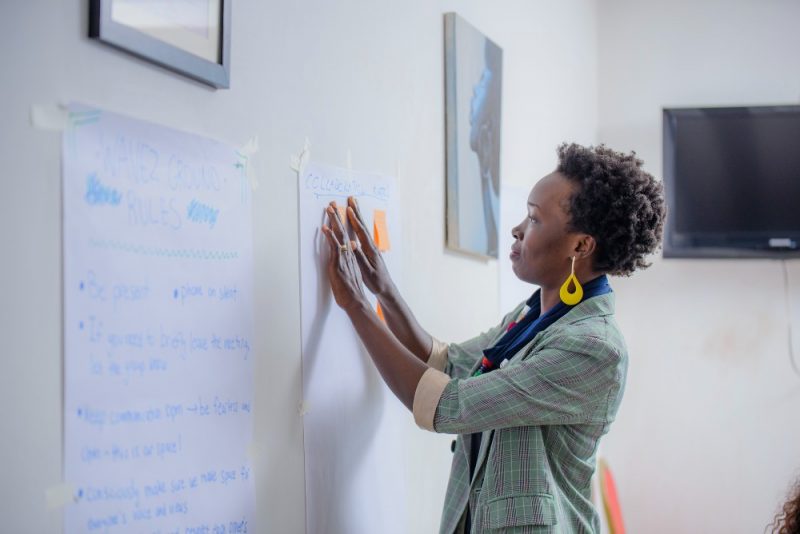
Sarah Nakame
Sarah started her activism journey in university when she joined the girls and women’s rights space and gradually experienced what transformational feminist leadership looks like.
As the Programmes Director at the Mentoring and Empowerment Programme for Young Women in Uganda (MEMPROW), she plays a critical role in providing strategic counsel on feminist programming and delivering the core mission: ‘’A violence free society for girls and women.’’
Why WAVE exists
WAVE exists because of the different issues that women deal with; from violence in their communities to the workplace and how women in their diversities have unique experiences. It offers a space where we come together and make our voices stronger on issues of justice and equality.
MEMPROW’s niche in WAVE
MEMPROW works with young and older women. We bring the experience in organising and reaching them across the different regions in the country such as the West Nile region. We’ve done a lot of work around preventing gender-based violence and keeping girls in schools.
In Kampala, we have a big reach in the cultural and religious space convening dialogues on transformational feminist leadership.
‘’In these dialogues we focus on centring the person in navigating change as a feminist leader.’’
Addressing the closing civic space by creating safe spaces and opportunities for women to come together
The SDGs have not been achieved and we are still far off from meeting some of the targets. Injustices such as online violence against women and sexual harassment continue to prevail and there’s a need for us to think differently. In addition, the right to voice and choice is still a struggle for girls in schools and women in rural areas. WAVE II is navigating these issues differently by sustaining the momentum and opening up advocacy spaces for women in all their diversities to engage and claim their rights.
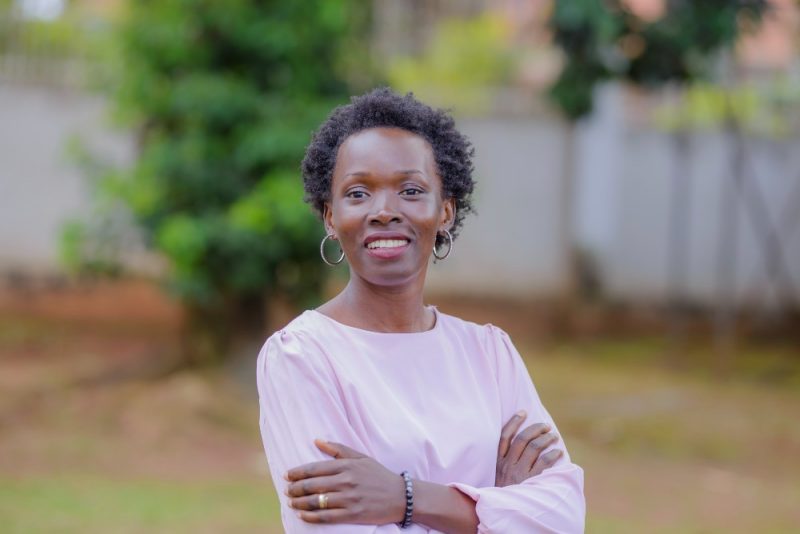
WAVE has a unique approach in intersectional feminist thinking
Intersectionality is an amalgamation of the different and similar realities of women when it comes to the struggle. It also recognises that people experience life differently and perceive knowledge differently.
Through WAVE II we appreciate each other by recognising our strengths and weaknesses. This has enriched how we tailor unique solutions to the various challenges we face and build a lasting foundation for the movement.
‘’There’s no silver bullet response to all the issues we are facing. We need to interrogate experiences of people and be agile to their radical perspectives’’
Wellness, selfcare and transformational feminist leadership in WAVE
Capitalism is extractive in nature and many of us have been socialised to always look at issues from a commercial point of view while in a constant state of urgency. This has created a culture of burnout with wellness often under looked as an important element of rest. This is a real struggle in the women’s rights movement.
Many women human rights defenders carry a lot of trauma due to the nature of their work while constantly having to be at the frontline. Through WAVE we have centred wellness to connect with our minds, bodies and create space for wholeness and grace.
‘’We need to be frequently oiled and take rest by not pouring from an empty cup.’’
Transformational leadership undoes the historical negative connotations of power and politics in the workspace. WAVE has enabled us to dismantle the toxicity we have inherited from patriarchal and male dominated spaces.
The WAVE II consortium is a partnership programme of the following organisations: Freedom and Roam Uganda (FARUG), Forum for Women in Democracy (FOWODE), Mentoring and Empowerment Programme for Young Women (MEMPROW), National Association of Women’s Organisations in Uganda (NAWOU), National Union of Women with Disabilities of Uganda (NUWODU) and the Women’s International Peace Centre (The Peace Centre).
< View all stories


